
How To Look After Your DPF in Light Commercial Vehicles (Up to 3.5t): UK Guidance
Maintaining your DPF correctly is vital if you drive a diesel van or LCV. A clogged filter not only hurts performance but can lead to costly repairs. As an RAC approved dealer, we follow RAC’s expert advice, keep reading to learn how to prevent DPF issues with proper driving and care.
What Is a DPF & How It Regenerates
A Diesel Particulate Filter (DPF) captures soot from the exhaust, this soot must periodically be burned off to prevent clogging. There are two main ways this happens:
Passive regeneration occurs naturally during sustained motorway or A road driving, as high exhaust temperatures (typically over 600°C) burn off soot. RAC recommends regular drives of 30–50 minutes at sustained speeds for this to work effectively.
Active regeneration happens when the vehicle’s ECU senses soot buildup (around 45% capacity). Extra fuel is injected to raise exhaust temperature and burn off soot, this may take 10–15 minutes at 40mph or more.
Signs active regeneration is taking place include a slight change in engine note or idle speed, cooling fans running, warm acrid exhaust smell, and temporarily disabled stop/start systems.
Why Short Trips Cause Problems
Frequent short journeys at low speeds or constant stop/start driving don’t allow passive regeneration to occur. If active regeneration starts but is interrupted too early (e.g. you switch off the engine), soot will accumulate. A warning light appears and if ignored the van may enter limp home mode or refuse to restart.
Best Practices for DPF Care
1. Regular Long Drives
Every week or every 5,000 miles (or monthly, whichever comes first), take your van on a 30–50 minute drive at sustained 40+mph, ideally on the motorway. This ensures passive regeneration and helps flush the DPF. RAC advises motorway runs for best results.
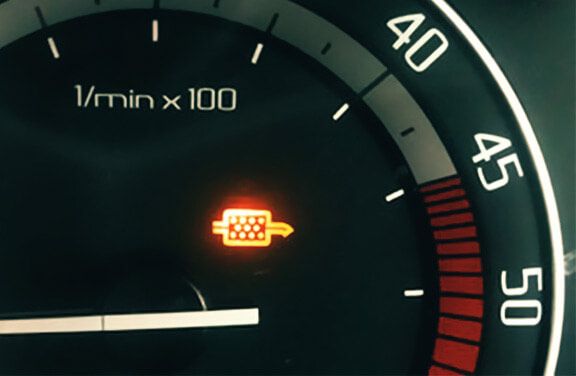
2. Respond Quickly to Warning Lights
If the DPF warning light appears:
Don’t ignore it
Do a 10–15 minute drive at 40+mph to complete active regeneration
If the light stays on, or turns red, book immediate inspection, further warning lights may indicate the filter is blocked and needs professional attention.
3. Minimise Engine Idling
Idling generates soot but isn’t hot enough to regen the DPF. Prolonged idling (parking, waiting) fills the filter without cleaning it. Avoid unnecessary idling when possible.
4. Use Correct Oil & Fuel
Always use low-SAPS (Sulphated Ash, Phosphorous, Sulphur) engine oil suitable for vehicles fitted with DPF standard oil can accelerate clogging. Use good quality BS EN 590 diesel only, and avoid performance or fuel additives that aren’t DPF-compatible.
5. Regular Servicing & Filter Checks
Ensure the engine, fuel, air intake and EGR systems are clean and functioning correctly, these systems affect soot formation. Errors here cause excessive soot loading and more frequent DPF issues. Follow manufacturer’s service intervals and alert your garage that the vehicle has a DPF.
When Professional Help Is Needed
If neither passive nor active regeneration clears the filter and warning lights remain, a forced regeneration by a qualified technician may be required. This uses diagnostic tools to initiate soot burn-off under controlled conditions. It typically costs around £100 plus labour and may restore function.
If forced regeneration fails or the filter is physically damaged the only option may be a full DPF replacement, which can cost between £1,000 and £3,500.
Summary Table: Proper DPF Care
Action | Why it Matters | RAC Advice |
|---|---|---|
Sustain long motorway/A-road drive (30,50 min) | Enables passive regeneration | Recommended regularly by RAC |
Respond to dashboard DPF warning by driving 10,15 min at ≥40mph | Completes active regeneration phase | Must be done promptly to avoid blockage |
Avoid frequent short trips and engine idling | Prevents soot accumulation | Idling doesn’t allow DPF to regenerate |
Use correct low-SAPS oil and standard diesel fuel | Prevents excess soot buildup | Essential for long-term DPF health |
Service emission-related systems | Reduces soot production and ensures regen triggers correctly |
Why This Matters for Van Owners
Proper DPF care maintains fuel efficiency and engine performance
Prevents your van entering limp mode or suffering power loss
Saves you from expensive repairs or filter replacements
Ensures your vehicle passes MOT, since removing a DPF or failing to regenerate it is a fail.
Supports environmental compliance by keeping emissions within legal limits
For drivers, tradespeople and fleet operators in the UK, DPF maintenance isn’t just best practice, it’s essential. With regular motorway/A-road runs, timely reaction to warning lights, correct servicing, and appropriate oil/fuel, you extend the life of the filter and avoid costly downtime.
At Van Stop Bolton, as RAC approved dealers, we’re committed to van maintenance excellence. If your LCV has a stubborn DPF warning or you’d like advice on best driving practices, our team is here to help.
Drive smart, maintain your van well, and it will keep running safely and efficiently.
Check out our current stock here