
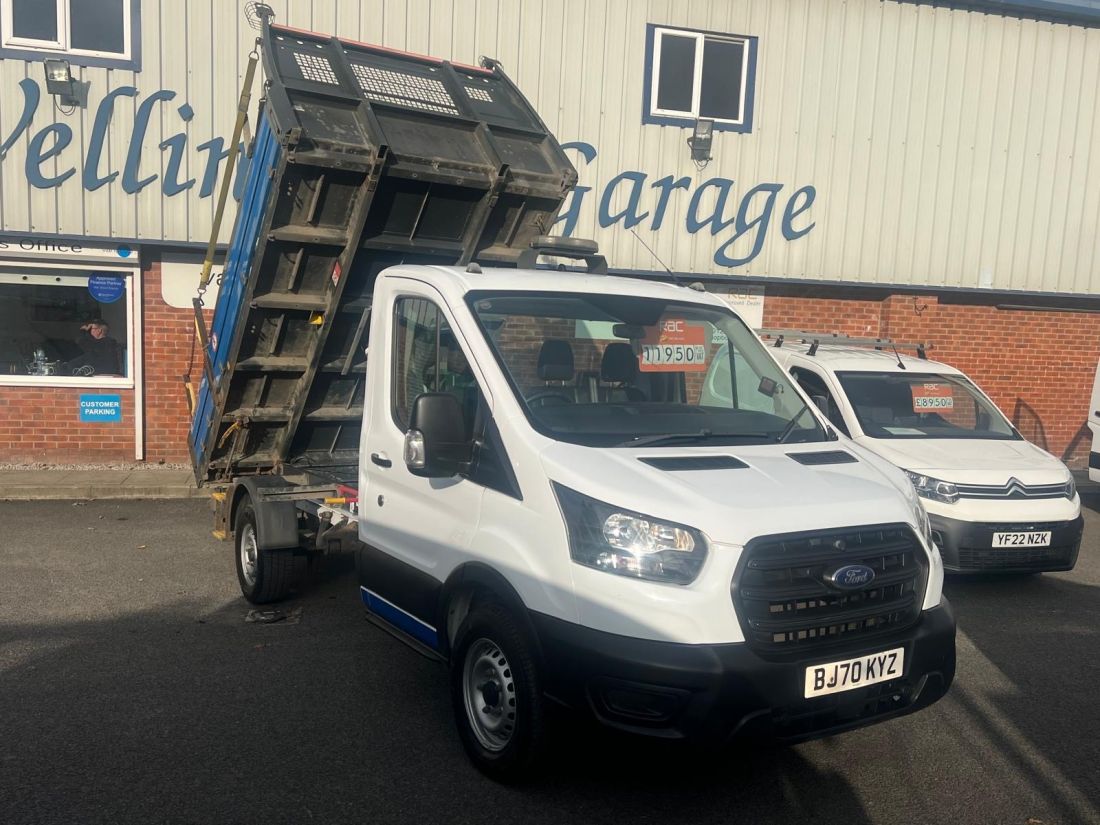
The Ultimate Workhorse: The Ford Transit Tipper
Why this Ford Transit tipper at Vanstop Bolton stands out
If you’re searching for a heavy-duty van that’s ready for work, this 2020 Ford Transit 350 EcoBlue HD tipper from Vanstop Bolton is worth serious consideration. Listed at £11,950 + VAT, with 96,000 miles, a 2.0 litre diesel engine, manual transmission, and Euro 6 (ULEZ-compliant) emissions, it hits many of the right boxes for tradespeople, builders, or anyone needing a robust load-carrying vehicle.
Additional perks from Vanstop include: one previous owner, full service history, a new 12-month MOT, and a freshly fitted wet-belt prior to sale. These are all positive signals, the van has been maintained properly and is road-worthy for the foreseeable future.
For buyers who want a ready-to-work tipper that won’t need immediate heavy investment, this listing represents a solid middle ground between affordability and reliability.
What to check when buying a used van, especially a Transit
Buying a used van is always more involved than buying a used car, and with a workhorse like a Transit, you want to be absolutely sure what you’re getting. Here’s a structured checklist to guide you and ensure you don’t get blindsided after the purchase.
1. Service & MOT history
Always ask for full service records. A well documented history shows the van has been cared for oil changes, belt or chain changes, brake servicing, etc. A full dealer service history is especially valuable.
A recent MOT is a strong positive. It means the van currently passes UK roadworthiness standards. Vanstop’s listing includes a fresh 12 month MOT, which is good.
2. Engine, drivetrain, and mechanical condition
The van’s mechanical heart needs careful inspection. For a used Transit (especially diesels), common issues include:
Turbocharger failure a frequent complaint with Transits, which can lead to reduced engine performance or more serious damage if unchecked.
EGR valve, injector and DPF problems, especially if the van has been used for many short trips. Frequent short journeys can cause carbon build-up and reduce efficiency, throttle response, or even cause warning lights.
Timing belt/chain tensioner issues, certain older diesel engines (especially 2.2-litre belt-cam diesels) have been prone to tensioner failures even at relatively low miles.
Leaks, smoke or strange exhaust behaviour, look out for oil or coolant leaks under the bonnet, and black smoke from the exhaust, a sure sign of engine stress or wear.
When you inspect the van, check the engine oil (colour and consistency), coolant level and condition, and watch out for sludge or a “milky” appearance in the oil filler both bad signs.
3. Bodywork, rust & structural integrity
Vans in the UK have to contend with wet weather, road salt and heavy loads all of which accelerate rust and structural wear. For a used Transit, this is critical:
Check wheel arches, chassis rails, under-side, and load-bed/tipper area for rust, corrosion, paint bubbling or bubbling under sealant. Even early-stage rust is worth noting, it tends to spread quickly under heavy use.
Check body panels for uneven gaps, mismatched paint, signs of bodywork or resprays, these may signal accident repairs or prior damage.
Doors, locks, hinges, make sure they all open, close, and lock smoothly; on a tipper van, load-bay tie-downs and tailgate mechanisms must be in good order too. Worn or damaged load-bay tie-downs or locks are a red flag.
4. Brakes, suspension, tyres & load-related wear
Because vans are often heavily loaded and used for hauling, wear and tear can be more severe than on a standard car. Key inspection points:
Brakes, test with an emergency stop to check responsiveness. Worn brakes or uneven brake performance may suggest hard previous use.
Suspension and rear-suspension (especially on tippers or cargo vans) overloading can wear out springs, dampers, and mounts. Sagging rear suspension is a problem.
Tyres check tread depth, uneven wear and overall legal compliance. Uneven tyre wear may point to alignment issues or suspension faults.
5. Paperwork, history & usage background
Always check the van’s history: number of previous owners, usage type (private, trades, courier, rental), and any major repairs. A van used for heavy commercial work (e.g. construction, delivery) will likely have more wear than one used lightly.
Ask for receipts for maintenance, especially for clutch, timing belt/chain, turbo servicing, etc. Missing maintenance history is a warning sign.
Check MOT history (on gov.uk) for advisories or repeated failures beyond just a “pass.” Recurring issues can indicate deeper problems.
Why Transits remain a go-to choice, but with caveats
The Ford Transit remains one of the UK’s most popular vans, widely used by tradespeople, delivery companies and fleet operators, in part because of its practicality, wide range of body styles (panel van, chassis cab, tipper, crew van), and broad dealer network.
Advantages to you as buyer: flexibility, especially with load-bearing tipper option; decent availability on the used market (good chance to find something that fits your needs without long wait); and if well maintained solid reliability. But because Transits are often workhorses, their condition can vary widely. That’s why careful inspection and vetting are critical.
Bottom line: is this Vanstop Transit tipper a good buy and when to walk away
Good signs in this listing: recent MOT, proper service history, a single previous owner, Euro 6 compliance (ULEZ-friendly), fresh wet-belt, realistic mileage (for a 2020 van), and a reputable dealer (Vanstop Bolton).
What you still need to check:
During inspection, closely scrutinise the engine and turbo, check for leaks or signs of wear.
Check structural components thoroughly especially the chassis, load-bed, and hinges.
Verify maintenance history for clutch, suspension, brakes and belts; budget for possible wear-related maintenance.
If everything checks out, especially mechanically, this van could represent excellent value for money. But if you find red flags (rust, poor maintenance history, engine/transmission issues), reconsider: with a tipper van, the cost of repairs or downtime can quickly wipe out the savings.
Final thoughts & practical advice
Buying a used van isn’t just about paying the lowest price, it’s about buying peace of mind. With the right level of diligence, history checks, mechanical inspection, and careful physical inspection, you can significantly reduce your risk of unexpected costs.
For a van like the 2020 Transit tipper at Vanstop, used as a tipper, make sure you:
inspect the engine carefully (turbo, EGR, injectors),
inspect the chassis, load-bed, rust-prone areas,
check suspension, brakes, tyres,
verify documentation: service history, MOT history, previous usage.